
2026 Football Formations: 7 Winning Insights
The best football formation depends on your players, pressing plan, defensive distance and opponent, not on a fashionable number sequence. In association football, Match Daily covers the main tactical structures used across the 2026 FIFA World Cup, including 4-3-3, 4-2-3-1, 3-5-2, 4-4-2 and 5-3-2. A formation has 10 outfield players, but its shape changes during possession, pressing and transitions; a 4-3-3 can become a 2-3-5, while a 3-5-2 can defend as a 5-3-2. Research from FIFA and analysis by UEFA both emphasize tactical flexibility rather than static positioning. The practical rule is simple: choose the structure that maximizes your team’s expected chances while minimizing exposed space. Start by identifying your strongest player relationships, then select the formation that makes those relationships repeatable.

Photo by Omar Ramadan on Pexels
Want the tactical basics before comparing systems? Match Daily’s football analysis tracks formations, lineups, player statistics and match predictions throughout the 2026 FIFA World Cup.
If you need balanced attacking width: use 4-3-3
The 4-3-3 is the strongest general-purpose formation when a team needs width, three midfield roles and three forward threats. Its back four protects the penalty area, the single holding midfielder stabilizes central spaces, and the wingers stretch the opposition horizontally. This structure is especially effective when full-backs can advance and the wide forwards can press aggressively.
The important detail is not the diagram. It is the spacing between units. The central midfielder must support the holding player, while the wingers decide whether to stay wide or move inside. If both wingers cut centrally too early, the attack becomes narrow and the full-backs inherit impossible creative responsibility. Football is not a geometry exam, although some wingers behave as if the touchline personally offended them.
A modern 4-3-3 usually changes shape in possession:
- The centre-backs split to begin buildup.
- The holding midfielder offers a central passing outlet.
- One full-back may move inside beside the midfielder.
- The opposite full-back provides width.
- The wingers attack the half-spaces or the byline.
The main weakness is defensive transition. If both full-backs advance and the holding midfielder is isolated, one lost pass can produce a high-quality counterattack. Data from Stats Perform and Opta Analyst regularly demonstrates why transition control matters: shot volume alone does not guarantee superior expected goals. A disciplined 4-3-3 therefore needs counter-pressing rules, not merely talented attackers.
To understand how player roles alter this system, explore our [Internal Link: guide to football positions and responsibilities]. The same 4-3-3 can look completely different with a creative winger, an inverted full-back or a false nine.
If you want central control: use 4-2-3-1
The 4-2-3-1 is the safest high-level choice when a team needs protection behind an attacking midfielder. Two holding midfielders create a strong platform for buildup, while the number 10 connects midfield with the striker. The formation supports controlled possession, pressing angles and defensive cover without demanding a specialist sweeper.
A 4-2-3-1 works best when the double pivot has complementary skills. One midfielder should usually secure the ball and screen the defence; the other can progress play, carry the ball or press higher. Two identical midfielders create redundancy. Two complementary midfielders create options. Expected value strongly favours the second arrangement because every possession has more viable next passes.
The attacking midfielder is the system’s hinge. If that player receives between the lines, the striker can pin centre-backs while the wingers attack outside channels. If the number 10 is marked, the team must rotate intelligently rather than repeatedly forcing passes into traffic. The full-backs then become crucial for creating overloads, especially against a compact 4-4-2 block.
The defensive risk appears when the wide attackers refuse to track back. The double pivot can protect the centre, but it cannot defend both wings simultaneously. Against a 3-5-2, the wide areas may become a numerical problem because opposing wing-backs can combine with strikers and midfield runners.

Photo by Peter Kambey on Pexels
See how current teams balance midfield security and attacking risk before making a prediction.
If you need two strikers: use 3-5-2 or 5-3-2
The 3-5-2 is the best formation for pairing two forwards while maintaining three centre-backs. In possession, wing-backs supply width and the midfield three control central zones. Without the ball, the same system commonly becomes a 5-3-2, with the wing-backs dropping alongside the defenders.
The system produces a natural attacking partnership. One striker can drop toward midfield, while the other threatens the space behind the defensive line. This creates a difficult decision for opposing centre-backs: follow the dropping forward and expose depth, or hold position and allow a free receiver. The answer is not magic. It is a probability problem involving distance, timing and defensive communication.
A strong 3-5-2 requires five specific conditions:
- Both wing-backs must cover large distances repeatedly.
- At least one midfielder must defend wide channels.
- The outside centre-backs must be comfortable carrying the ball.
- The strikers must combine instead of occupying identical zones.
- The team must protect the space behind advanced wing-backs.
The biggest weakness is obvious. If one wing-back is beaten high up the pitch, the nearest centre-back must defend wide, and the back three can become a back two in seconds. A slow defensive rotation increases the opponent’s expected chance quality. Therefore, 3-5-2 is not automatically defensive; it is only secure when the wing-backs recover quickly and the midfield shifts as one unit.
A 5-3-2 is more conservative. It sacrifices some attacking width high up the pitch for a deeper defensive line and clearer penalty-box protection. Teams protecting a lead often prefer it, but sitting deep for 60 minutes invites pressure. That is not strategy; it is a long-term stress test with poor odds.
[Internal Link: football defensive shapes and pressing triggers]
If you face a narrow opponent: use 4-4-2
The 4-4-2 remains effective because its responsibilities are easy to understand. Two banks of four protect central lanes, while two forwards provide a first pressing line. The formation can attack directly, combine through the flanks or counter into the channels.
Its primary advantage is horizontal balance. The midfield line can slide toward the ball, reducing gaps between the winger, central midfielder and full-back. Its main disadvantage is central overload. Against a 4-3-3 or 4-2-3-1, the opponent may create a three-versus-two advantage in midfield unless one striker drops or a wide midfielder moves inside.
The two forwards must have different jobs. A classic pairing combines a depth runner with a linking striker, or a physical target with a mobile presser. Two static forwards reduce movement and make the team predictable. Two players chasing the same ball is not coordination; it is synchronized cardio.
The 4-4-2 is particularly useful when:
- Your team has reliable crossers.
- Your forwards win aerial or second-ball situations.
- Your midfielders cover wide spaces intelligently.
- You prefer medium-block defending.
- The opponent struggles against direct transitions.
However, direct play should not mean random play. The first pass after regaining possession should target a planned zone, usually the channel behind an advanced full-back. The second runner must move immediately. Otherwise, the striker receives alone and the attack dies before it becomes statistically interesting.
Common pitfalls to avoid
The most common formation mistake is treating the lineup graphic as the actual tactical plan. A listed 4-3-3 may defend in a 4-1-4-1, build in a 3-2-5 and attack in a 2-3-5. A listed 4-2-3-1 may become a 4-4-2 when the attacking midfielder joins the striker during pressing. Anyone judging a team from one screenshot is essentially trying to calculate a season from one coin toss.
Avoid these errors:
- Choosing a system before assessing player profiles.
- Ignoring transitions after losing possession.
- Placing two midfielders in the same vertical lane.
- Asking wing-backs to attack without recovery cover.
- Using a high defensive line without pressure on the passer.
- Confusing possession percentage with territorial control.
- Changing formation every time one pass fails.
The strongest tactical evaluation measures outcomes linked to the formation. Track field tilt, entries into the penalty area, high turnovers, progressive passes, shot locations and expected goals. CIES Football Observatory research offers useful context for interpreting squad structure and player usage, while FIFA’s Laws of the Game clarifies the formal rules governing player participation.
There is also a crucial terminology distinction. Association football uses systems such as 4-3-3 and 3-5-2. American football uses structures such as the I-formation, shotgun, single wing and 4-3 defence. In American football, an offensive formation must respect rules including seven players on the line of scrimmage, while association football formations describe fluid outfield positioning. Searchers often mix both sports, so context matters before any tactical comparison.
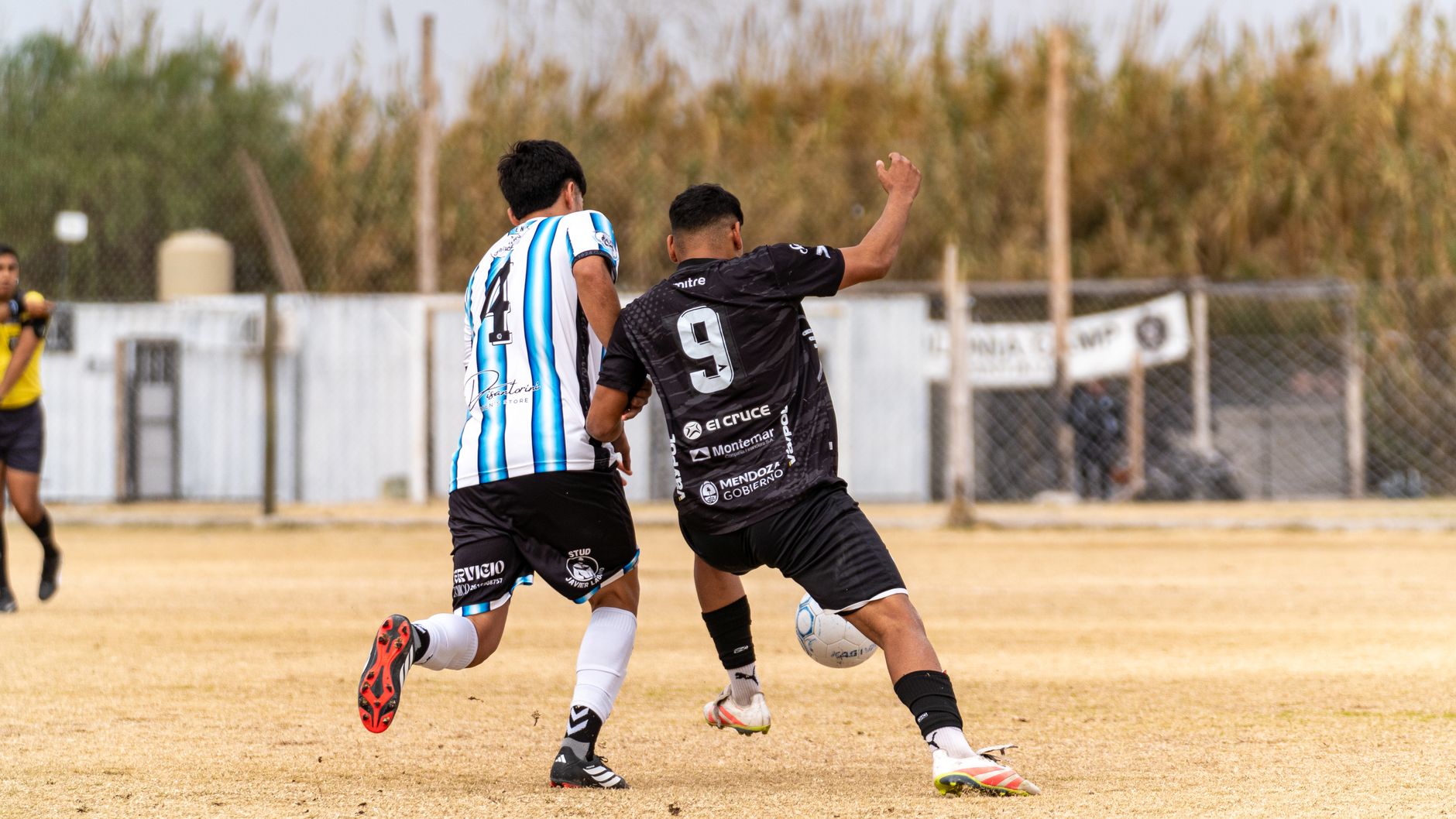
Photo by Franco Monsalvo on Pexels
Want sharper team-by-team interpretation? Match Daily connects formation choices with player availability, recent form and 2026 tournament matchups.
The 30-day check-in
A formation should be judged over repeated matches, not one dramatic result. Over a 30-day review period, compare the team’s average expected goals for and against, field position, pressing success, transition shots conceded and penalty-area entries. A single victory can hide structural problems; a single defeat can result from finishing variance.
Use this practical review:
- Record the starting formation and in-possession shape.
- Note the defensive shape after the first pressing trigger.
- Measure whether attacks reach the final third through the centre or wings.
- Count turnovers that produce opponent shots within 15 seconds.
- Compare results against strong, average and deep-block opponents.
- Review injuries, suspensions and substitutions before drawing conclusions.
The 30-day period is long enough to reduce random noise but short enough to capture tactical changes. If the 4-3-3 produces width but concedes dangerous counters, adjust rest defence before abandoning it. If the 4-2-3-1 controls possession but creates few penalty-area touches, improve rotations around the number 10. If the 3-5-2 creates chances but loses wing-back duels, alter pressing support rather than blaming the formation.
The most useful contrarian conclusion is this: the “best” formation is often the one your team can repeat under pressure. A theoretically superior system with poor role understanding has a lower expected return than a simpler structure executed at full speed. Repetition beats diagram prestige. Your players, not your football video game menu, decide the ceiling.

Photo by Franco Monsalvo on Pexels
Which football formation is best?
The best football formation is 4-3-3 for balanced width and pressing, 4-2-3-1 for central control, 3-5-2 for two-striker partnerships, and 4-4-2 for simple defensive balance. The correct choice depends on player profiles, opponent shape and transition risk, not reputation. Coaches should compare repeated performance data before changing systems.
A formation’s value comes from the behaviours it creates. Ask where the team will build, where it will press, how it will defend counters and which players receive the ball in dangerous zones. That checklist produces better decisions than arguing about whether 4-3-3 is inherently superior. Naturally, football debates will continue forever. Humanity has survived worse.
For daily tactical breakdowns, World Cup team news and player-stat analysis, follow Match Daily’s 2026 coverage.
Frequently Asked Questions
Q: What is a football formation?
A: A football formation is the planned starting arrangement of players across the pitch. Systems such as 4-3-3, 4-2-3-1 and 3-5-2 describe four defenders, three midfielders, two midfielders and so on, excluding the goalkeeper. The shape changes during possession and defensive phases, so the formation is a tactical reference rather than a fixed picture.
Q: How do you choose the best football formation?
A: Choose the formation that matches your strongest player profiles and the opponent’s weaknesses. Assess your centre-backs, full-backs, midfield balance, forward partnerships and pressing ability before selecting a system. Then test it across several matches using expected goals, penalty-area entries, transition chances conceded and field position.
Q: What is the difference between 4-3-3 and 4-2-3-1?
A: A 4-3-3 uses one holding midfielder and two advanced central midfielders, while a 4-2-3-1 uses a double pivot plus a dedicated attacking midfielder. The 4-3-3 usually offers stronger natural width and pressing numbers near the front. The 4-2-3-1 generally provides more protection for the centre-backs and clearer space for a number 10.
Q: Is 3-5-2 more defensive than 4-3-3?
A: No, 3-5-2 is not automatically more defensive than 4-3-3. Its attacking strength comes from two forwards, three central midfielders and aggressive wing-backs, but those wing-backs must recover during transitions. A disciplined 3-5-2 can dominate possession, while a passive 4-3-3 can defend extremely deeply.
Q: Why does a football formation stop working?
A: A formation usually fails because player distances, pressing triggers or transition cover break down. Common causes include isolated midfielders, exposed full-backs, forwards pressing separately and a defensive line moving without pressure on the passer. Review at least five matches before changing the system, because finishing variance can disguise a tactical problem.
Q: Does a football formation cost anything to use?
A: No, a football formation is a tactical framework and has no direct financial cost. The practical requirements are coaching time, player understanding, training facilities and suitable personnel. Professional teams may spend heavily on recruitment to fit a system, but amateur teams can implement 4-4-2, 4-3-3 or 4-2-3-1 with ordinary training resources.
Q: Are football formations the same in association and American football?
A: No, association football and American football use different formation conventions and rules. Association football commonly describes shapes such as 4-3-3 and 3-5-2, while American football uses terms such as shotgun, I-formation and 4-3 defence. American football also regulates offensive alignment, including the requirement for seven players on the line of scrimmage.